
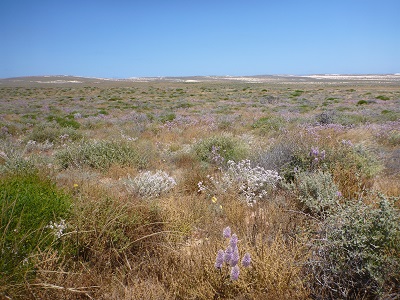
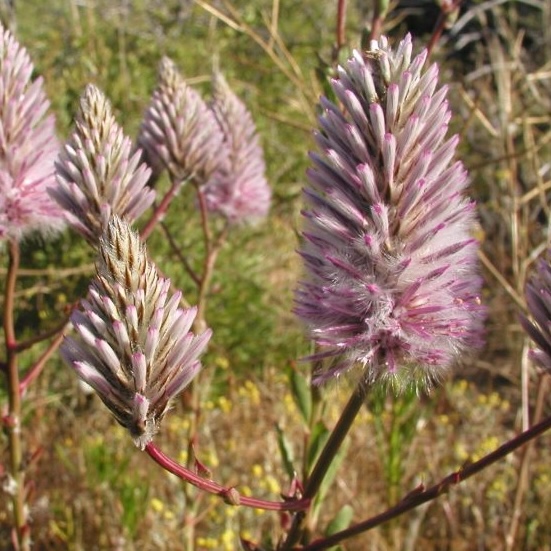
2012



The Dirk Hartog Island National Park: Return to 1616 project was started with the goal of returning the island to its state before the first Europeans arrived in Shark Bay by removing invasive species and reintroducing native ones.
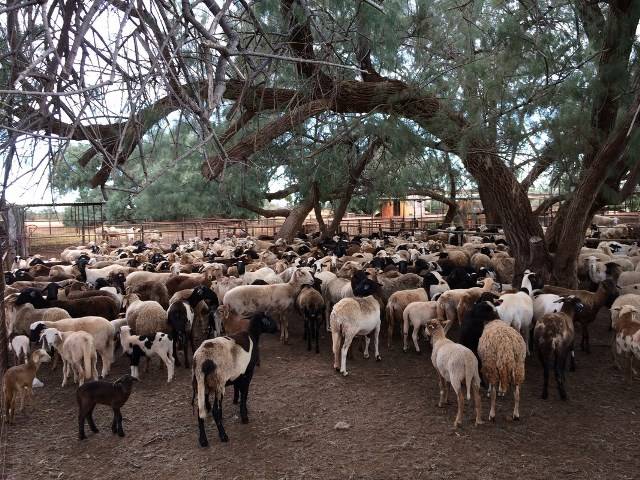
2016
As part of the Return to 1616 project, all sheep were removed from Dirk Hartog Island.
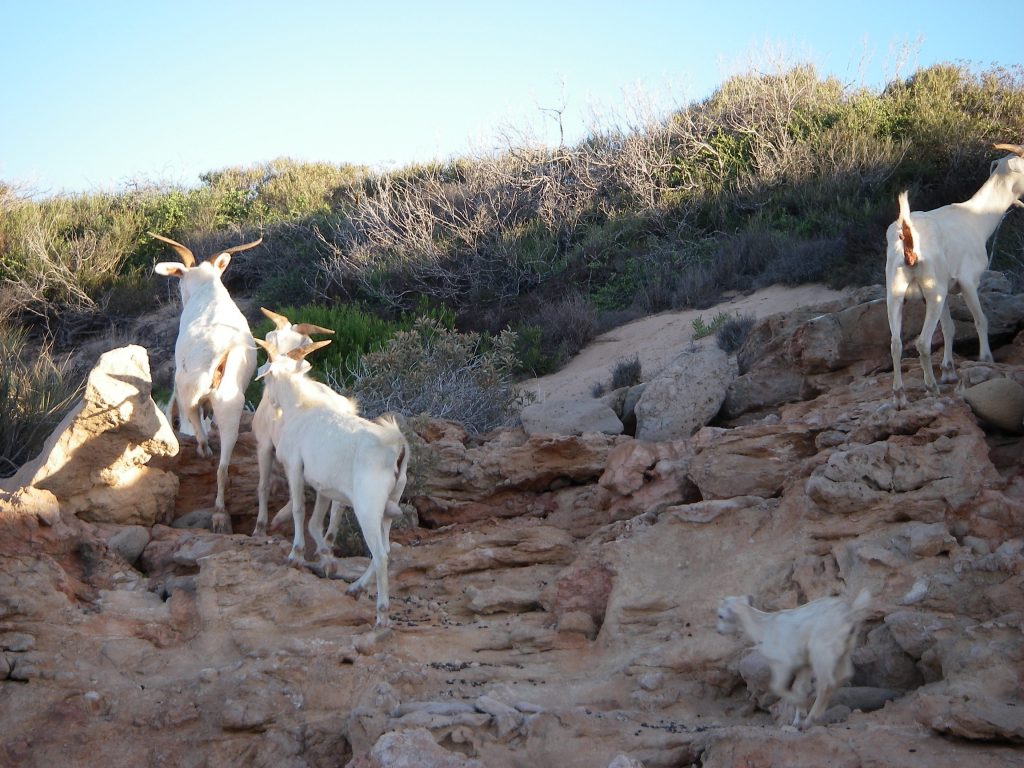
2017
All goats were removed from Dirk Hartog Island as part of the Return to 1616 project.
2018
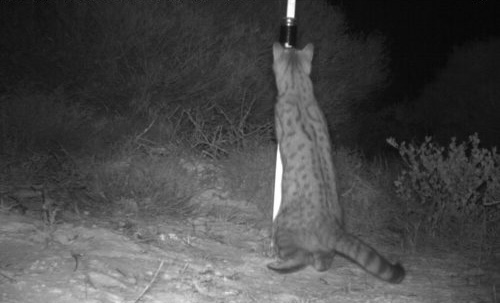
As part of the Return to 1616 project, feral cats were eradicated from Dirk Hartog Island. In the same year, banded hare-wallabies and rufous hare-wallabies were reintroduced to the island.
2019
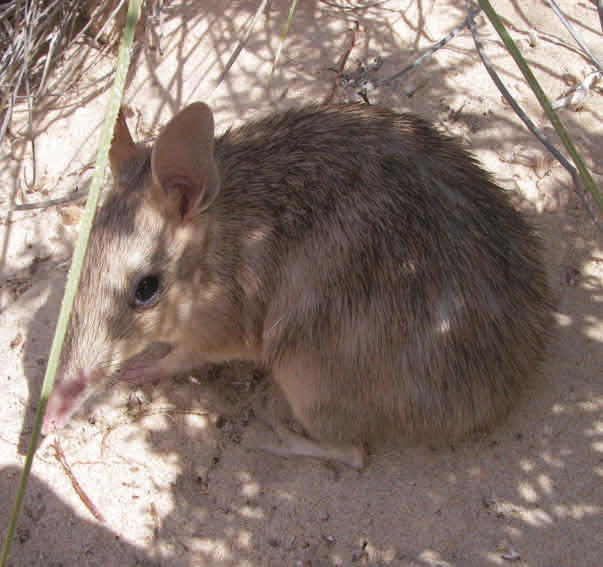
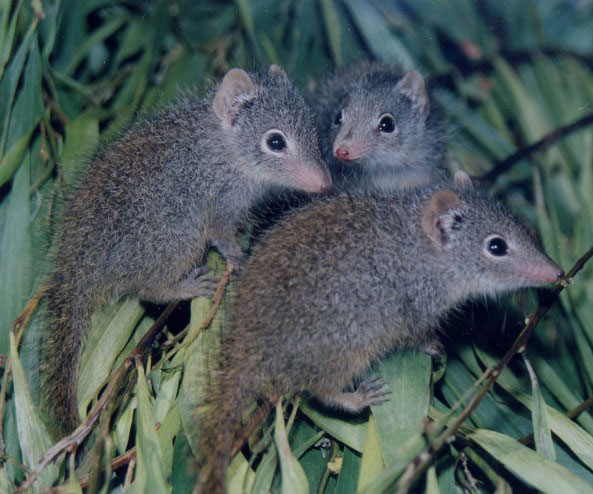
Shark Bay bandicoots and dibblers were reintroduced to Dirk Hartog island as part of the Return to 1616 project.
2021
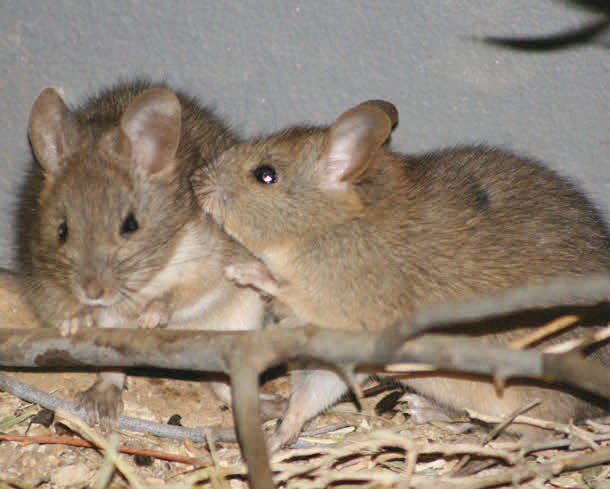
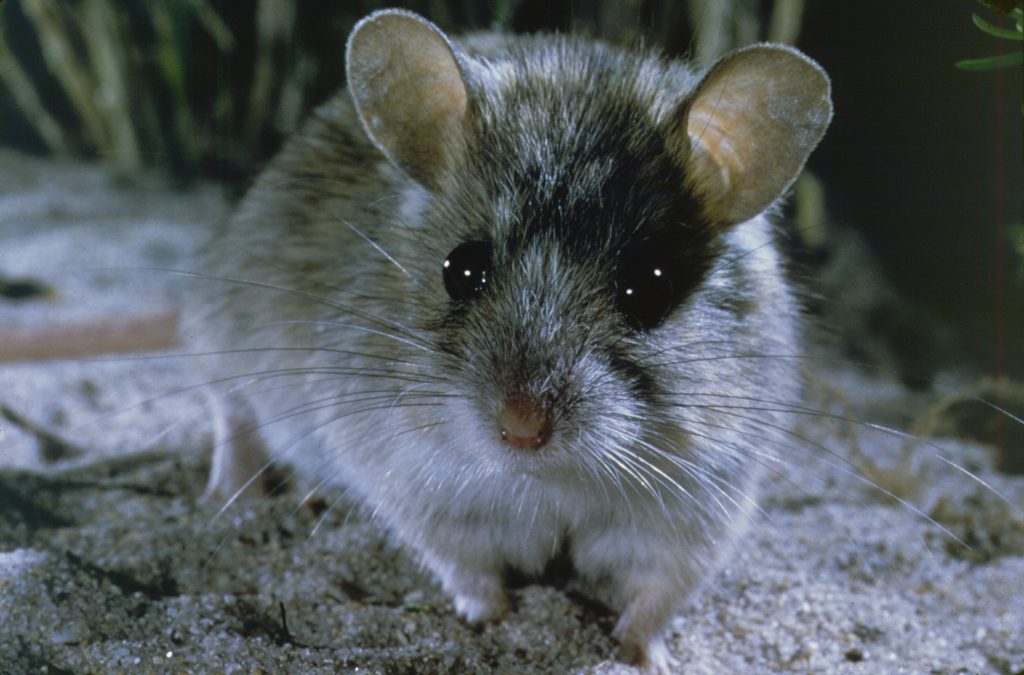
As part of the Return to 1616 project, the Shark Bay mouse and greater stick-nest rat were reintroduced to Dirk Hartog Island.
2022
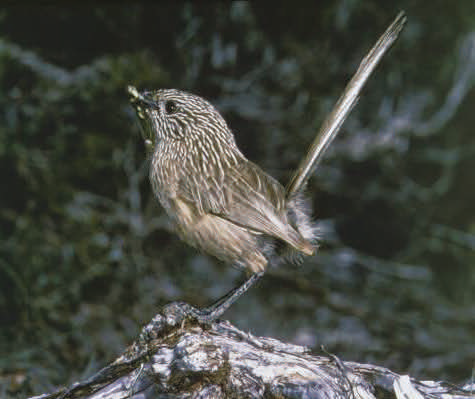
The western grasswren was reintroduced to Dirk Hartog Island as part of the Return to 1616 project.
2023
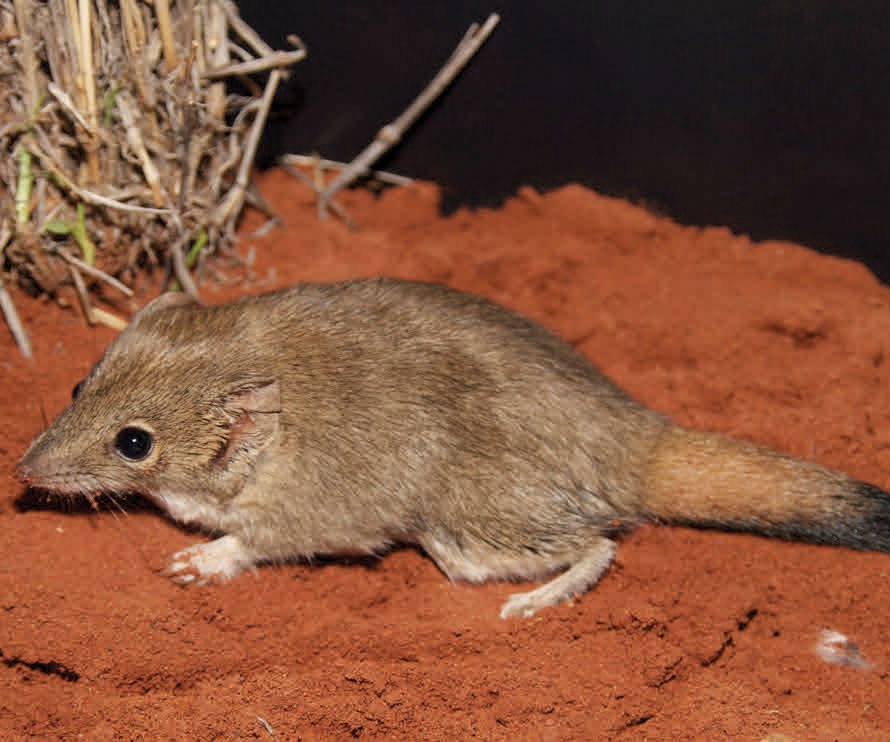
As part of the Return to 1616 project, the brush-tailed mulgara was reintroduced to Dirk Hartog Island.